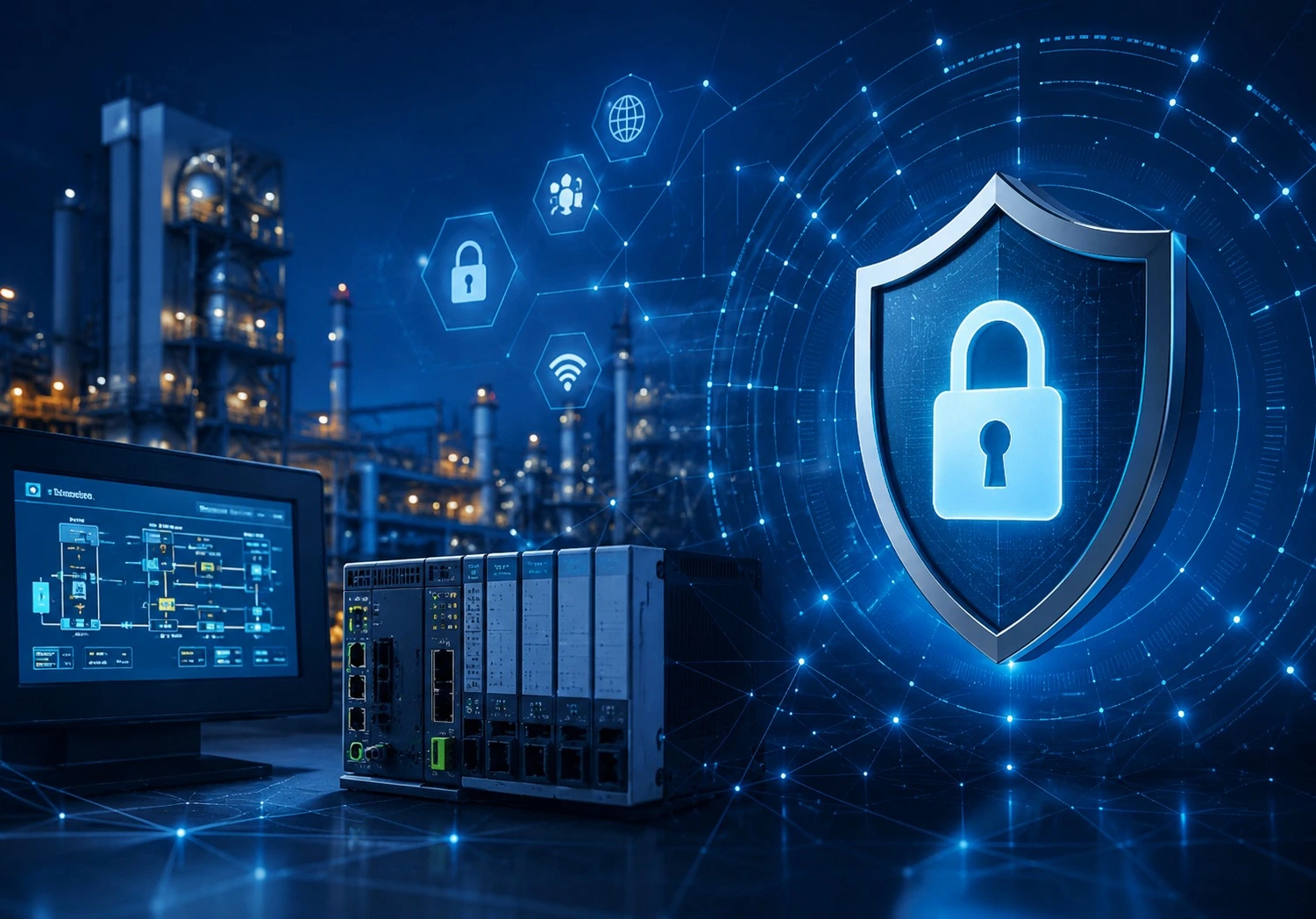
As industries embrace digital transformation, Industrial
Control Systems (ICS) have become the backbone of modern manufacturing, energy
production, utilities, transportation, and critical infrastructure. These
systems enable organizations to automate processes, improve efficiency, and
gain real-time visibility into operations. However, increased connectivity and
the convergence of Information Technology (IT) and Operational Technology (OT)
have also introduced new cybersecurity challenges.
Today, protecting Industrial Control Systems from cyber
threats is no longer optional—it is essential for ensuring operational continuity,
safety, and business resilience.
Understanding Industrial Control Systems
Industrial Control Systems encompass a range of
technologies used to monitor and control industrial processes. These include:
- Programmable
Logic Controllers (PLCs)
- Supervisory
Control and Data Acquisition (SCADA) systems
- Distributed
Control Systems (DCS)
- Human-Machine
Interfaces (HMIs)
- Industrial
sensors and communication networks
Traditionally, these systems operated in isolated
environments with limited external connectivity. However, the rise of Industry
4.0, Industrial IoT (IIoT), cloud integration, and remote access capabilities
has significantly expanded their exposure to cyber risks.
Why Cyber Threats Are Increasing
Industrial organizations are becoming attractive targets
for cybercriminals because disruptions can lead to substantial financial and
operational consequences. Unlike traditional IT systems, attacks on industrial
control systems can directly impact physical operations.
Potential consequences include:
- Production
downtime
- Equipment
damage
- Safety
incidents
- Loss
of critical data
- Supply
chain disruptions
- Regulatory
penalties
- Reputational
damage
Recent global cyber incidents have demonstrated that
industrial environments are increasingly vulnerable to ransomware, malware,
unauthorized access, and sophisticated nation-state attacks.
Common Vulnerabilities in Industrial
Environments
Many industrial facilities continue to rely on legacy
equipment that was not designed with cybersecurity in mind. Some common vulnerabilities
include:
Legacy Systems
Older control systems often lack modern security features,
making them easier targets for attackers.
Weak Access Controls
Shared passwords, insufficient authentication mechanisms,
and excessive user privileges increase security risks.
Unsecured Remote Access
Remote maintenance and monitoring capabilities can create
entry points for cyber threats if not properly secured.
Lack of Network Segmentation
When IT and OT networks are not adequately separated,
threats can move laterally across systems.
Limited Security Visibility
Many organizations struggle to maintain complete visibility
of all connected industrial assets.
Best Practices for Protecting Industrial
Control Systems
Organizations can significantly strengthen their
cybersecurity posture by adopting a proactive approach to security.
Maintain Asset Visibility
The first step in securing any environment is understanding
what assets are connected to the network. Accurate asset inventories help
identify vulnerabilities and prioritize protection efforts.
Implement Network Segmentation
Separating critical operational systems from corporate IT
networks reduces the risk of cyber threats spreading throughout the
organization.
Strengthen Access Management
Role-based access control, multi-factor authentication, and
strong password policies help prevent unauthorized access to critical systems.
Monitor Continuously
Real-time monitoring and threat detection enable
organizations to identify suspicious activities before they escalate into major
incidents.
Keep Systems Updated
Where possible, organizations should apply security patches
and updates to reduce exposure to known vulnerabilities.
Train Personnel
Human error remains one of the leading causes of
cybersecurity incidents. Regular training helps employees recognize potential
threats and follow security best practices.
Building a Cyber-Resilient Future
Cybersecurity is no longer solely an IT responsibility. It
requires collaboration between engineers, operations teams, plant managers,
cybersecurity professionals, and leadership. Protecting Industrial Control
Systems demands a comprehensive strategy that balances operational reliability
with security requirements.
As industrial environments become more connected and
data-driven, organizations must shift from reactive security measures to
proactive cyber resilience. The ability to anticipate, detect, respond to, and
recover from cyber incidents will be a defining factor in maintaining safe and
efficient operations.
In an era where cyber threats continue to evolve,
safeguarding Industrial Control Systems is not just about protecting
technology—it's about protecting people, production, and the future of
industrial operations. Organizations that invest in cybersecurity today will be
better positioned to thrive in the connected industries of tomorrow.